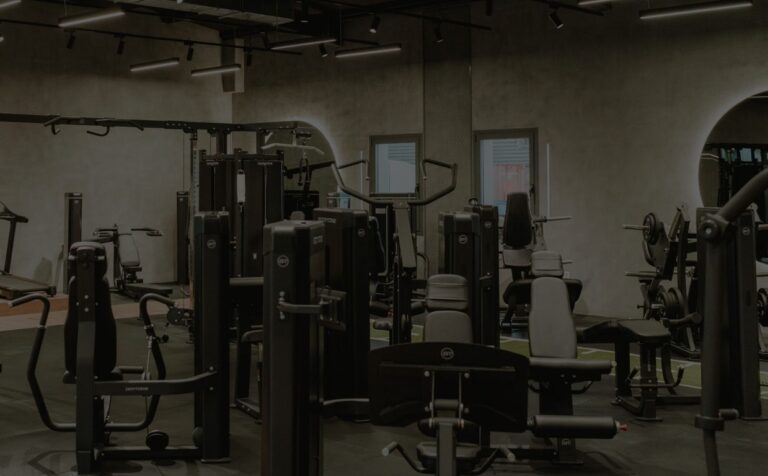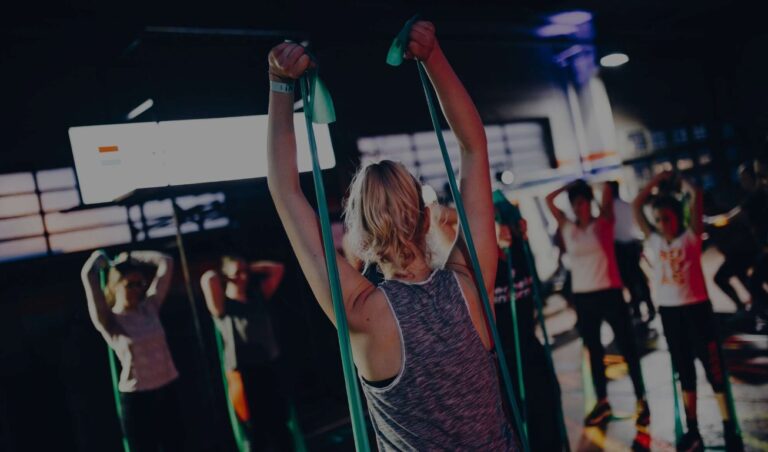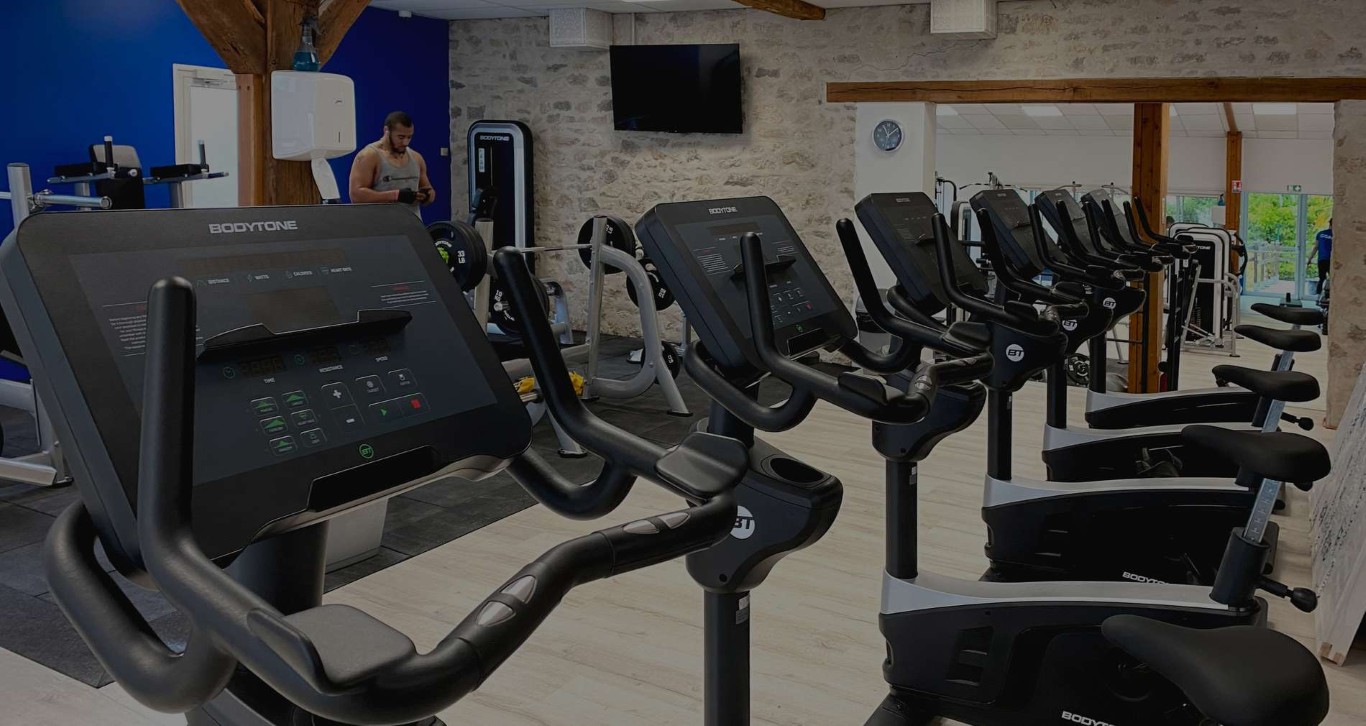
Functional gym design is an essential aspect to consider when planning the construction or renovation of a training facility. It’s not just about selecting quality equipment, but about creating a space that allows for efficient circulation, proper distribution of fitness machines, and a comfortable and safe environment for users. This type of planning involves a detailed analysis of both the available space and the specific needs of users, as well as the technical requirements demanded by a professional training center.
Proper zoning to optimize gym space usage
Zoning is one of the key elements in the functional design of a gym. This practice involves dividing the space into specific areas according to the activities to be performed in them. Proper distribution of these zones not only improves user experience but also optimizes workflow within the gym. The main zones typically found in a gym are cardio, strength training, free weights, functional, and recovery. It is crucial that each of these zones is well defined and that circulation between them is taken into account.
Minimum recommended distances according to European standards
There are European regulations that dictate the minimum distances that must be respected between different machines and zones within a gym. According to these regulations, circulation must be wide enough for users to move freely and safely. In general, it is recommended to maintain at least 1.5 meters of space between cardio equipment and strength training zones, and at least 2 meters between free weight equipment and other machines. Additionally, the minimum ceiling height should be 2.5 meters to ensure users can exercise without restrictions.
Space ergonomics and fitness machine layout
One of the most important aspects in gym design is ensuring space ergonomics. This refers to the arrangement of equipment and user circulation to avoid congestion in high-traffic areas and to facilitate access to all machines. One of the most common recommendations is to leave a minimum of 120 cm between each machine to allow for safe and comfortable passage. This detail not only improves user comfort but also reduces the risk of accidents.
Criteria for distributing fitness machines
The distribution of fitness machines should follow logical principles to facilitate user workouts. A mirror layout is often most effective in free weight areas, allowing users to monitor their posture while training. Regarding strength machines, it’s ideal to group them according to muscle progression, placing push machines first and then pull machines, which enables a smooth and logical training routine.
Suitable flooring materials and safety
In addition to layout, choosing the right materials is also crucial for functional gym design. As for flooring, C3 class non-slip materials should be used to ensure user safety at all times. Additionally, ventilation must be adequate to maintain optimal air quality and temperature. It is essential to consider specific ventilation needs, especially in areas with heat-generating machines such as treadmills or cardio equipment.
Technical aspects: power consumption and ventilation
When designing a gym, it’s not only about the layout and equipment. Planning the technical aspects that ensure efficient operation is also vital. Power consumption is one of the most important aspects to consider. High-performance machines such as treadmills or professional stationary bikes require adequate power supply and, in many cases, a dedicated circuit. Therefore, it is crucial to calculate the electrical demand and ensure the gym has enough power outlets and the capacity to handle the load.
BTU calculation and ventilation planning
Ventilation is another technical aspect that must not be overlooked. During workouts, people generate heat, which raises the temperature inside the gym. To maintain a comfortable and healthy environment, it is essential to have proper ventilation systems. Cardio equipment, such as treadmills, also produces additional heat, so it’s necessary to calculate the required BTUs (British Thermal Units) for the air conditioning system and the amount of airflow needed to keep the temperature stable.
Equipment selection based on customer type
Another key factor in gym design is equipment selection. The type of customer you aim to attract will determine what kind of machines should be installed. Boutique gyms often focus on a more personalized experience, with high-end equipment and a layout centered on aesthetics and comfort. On the other hand, municipal sports centers or more general-use gyms tend to prioritize functionality and the ability to offer a wide variety of machines for all user levels.
Bodytone equipment and adaptability to different spaces
The choice of equipment brands is fundamental to ensure the quality and durability of the machines. Bodytone is an ideal option for those looking for a balance between quality, design, and functionality. The adaptability of Bodytone machines allows them to be integrated into various types of gyms, from boutique spaces to municipal facilities. Furthermore, their ergonomic design and durability make them perfect for withstanding intensive use by gym users.